2026
www.portisabelchamber.com/events/
https://www.myportisabel.com/AgendaCenter
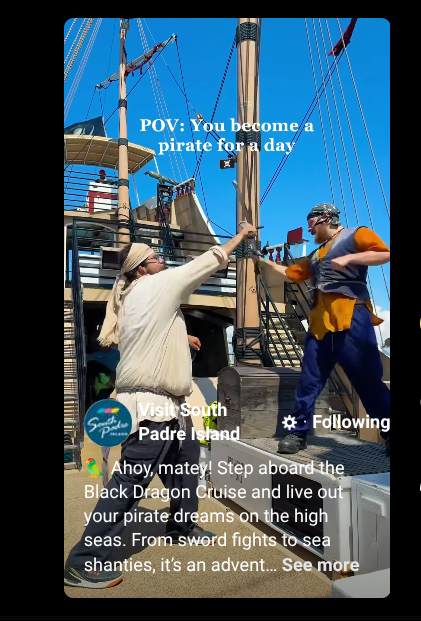
https://www.facebook.com/reel/BLACK DRAGON
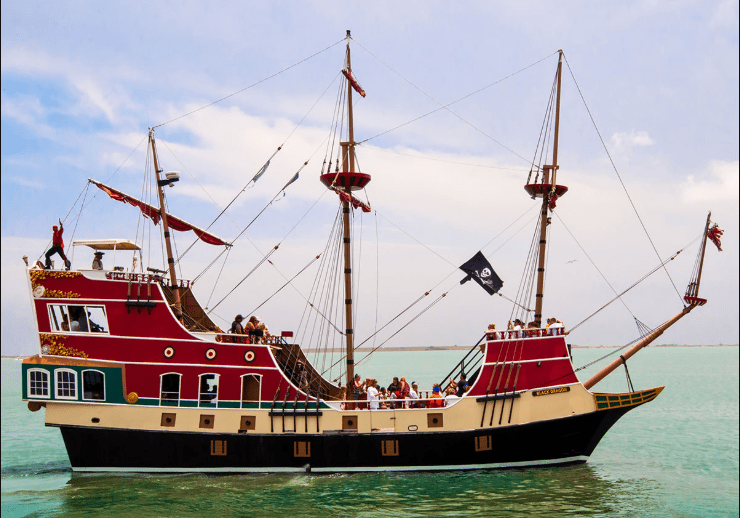
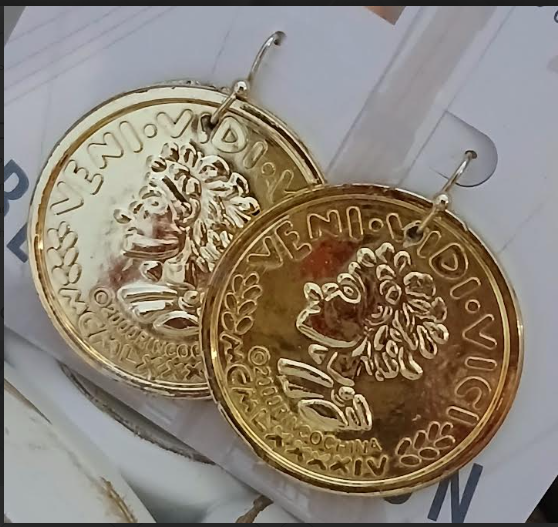
GET YOUR BOOTY EARRINGS TODAY ONLY $7.99
501 E. Maxan Street Port Isabel South Padre Island, TX 78578
info@ospreycruises.com
(956) 943-6283
Handmade by the Pirate Queen Calypso
https://www.ospreycruises.com/
Our Legacy, in the Words of Herman Sutherland, Son of Founder Robert R. Sutherland:
As one of America’s first building supply stores, The Sutherland Lumber Company®
https://sutherlands.com/ ..pioneered the “cash-and-carry” building material business and helped shape the industry we all know today.
In 1917 my grandfather, also named Robert Sutherland, died and left a small sum of life insurance to my father. My mother had some money given to her by her father, matching my father’s inheritance. With that they formed a fifty-fifty partnership and built a lumberyard in Durant, Oklahoma. They sold materials for house patterns, or blueprints as we call them today.
World War I had just begun to involve the United States. Commodities were in great demand to support the war effort. The developing farming communities in Southeast Oklahoma were prospering because the prices of cotton and food crops were stimulated by the war. New land after the Oklahoma land rush was being claimed for farms. Oklahoma had been backward in a depressed situation, but was catching up with the rest of the country. It had only been a state for eleven years, but was coming forward fast, and they were ready to take on the business that followed.
Their partnership prospered and more yards were soon added: Hugo, Idabel, Ada, Norman, and Shawnee, Oklahoma.
Around 1921 a big oil field was discovered very near to the town of Ada. This was the first big find in this area because most oil had been previously produced in Pennsylvania. The people in the Company and my parents knew nothing about oil fields, oil rigs, or oil boomtowns. It was all very new, but they quickly became aware of the tremendous increase in Ada’s business and the profits from the yard in Ada, Oklahoma.
Soon they learned about rig timbers, cement by the trainload, corrugated iron by the carload, and many items they had never dreamed of in the house pattern yards they had formerly operated. The Oklahoma oil boom was on. As they learned, it wasn’t long before they realized that all those new oil fields offered wonderful opportunities to anyone who had already learned about an oil field specialized lumber yard.
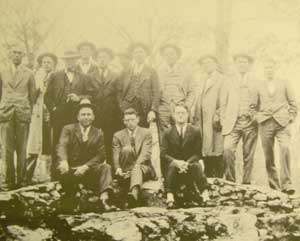
And so for the next nine years their business concentrated on operating lumber yards near newly discovered and developing oil fields. They built their new lumberyards where the oil industry was just starting, and at the same time closing old yards where the oil field had petered out.
The number of companies drilling the wells and developing the fields was limited. There were probably ten to fifteen principal oil producers, and they were all potential customers for us. Their offices were in Tulsa and later in Oklahoma City, Ponca City, Dallas, and later Houston.
My father spent his time cultivating these few customers, and because of that, knew them well. He built new yards wherever they were opening new fields. Oil was soon discovered in Texas, Kansas and New Mexico. Once these fields developed, everyone moved to the new discovery: Barbers, police forces, paving contractors, roustabouts, drillers, lease brokers, tool dressers, restaurants, flop houses, and prostitutes, as well as lumber yards, all moved in a body to the new “find”.
The people in the little sleepy towns where oil was suddenly discovered didn’t know what had hit them. By the time they woke up, the field had been developed and the wild people had gone on to the next field. It was a crazy time, a fascinating time, and never to be duplicated.
Two things brought it to a halt. First, laws were passed which limited the amount of oil that could be taken from each well per month. Second, the great depression lowered oil prices to ten cents per barrel. This took the wild frenzy out of the “snatch, grab and get out” oil business that had been the tune for years.
When the limits of the oil field were reached, comparative quiet and inactivity remained as each field had reached its potential. When the oil structure was all drilled out, there was no more business for the oil field yard. I remember my father saying once “We built 23 new yards this year and closed and moved out 15.”

Also, for the oil fields lumber dealers, their time came to an end when the oil rigs went to steel. Steel rigs could be used over and over again, which made them much cheaper than wooden rigs. So, in 1930 my mother and father were faced with finding a new kind of business. And it was not easy, because the Great Depression had started. They looked long and hard. Eventually, my father decided that the most stable part of the country would be where food was produced most efficiently. People had to eat, he reasoned. They could make do with several families to a house; they could make do with the old car; their clothes could be mended, but they had to eat every day.
This led him to Iowa. He took the last dollar they had to their name and bought the old Randall Lumber yard in Des Moines. As they were stocking it, he noticed a great number of stock trucks bringing cattle and hogs to the stockyards. He reasoned that all those trucks meant dirt farm roads were being paved, and this was a whole new way for farmers to get their cattle and hogs to the stockyards.
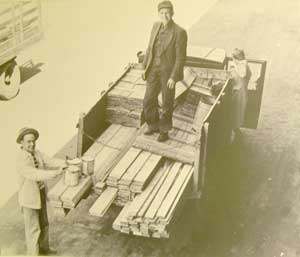
“Why not advertise to all those farmers? he thought, by sending each of them a specifically addressed piece of mail. In that mailer, or “circular as we called it, we showed the farmer we could give them the advantage of large volume, low prices, and as a bonus, they could haul lumber and building materials back to farms in those returning empty stock trucks. It worked! Father and Mother pulled another rabbit out of their hat.
In 1932, I was in my second year of college. I was home for summer vacation, expecting to go back in the fall, when Father announced:
“You are the oldest child. Our family finances are desperate, and we’re trying a brand new, precarious idea. The whole family’s future is depending on its success! You aren’t going back to college but instead will work for the family business, because your help is now needed there more than any further education.
This was a shock. I was 19 years old, pretty well insulated from the realities of the times, and was enjoying school. But it was one of the luckiest things that ever happened. That plan allowed me to have nine years under my father’s tutelage.
On July 1st, 1932, I reported for work at the lumberyard we were preparing to open in Des Moines. This started a pattern of life for me that went on for several years. I would work in a lumberyard spring, summer and fall, and then spend my winters getting farmer’s names for the mailing list.
My father decided that our advertising circulars would get more attention if they were addressed with the farmer’s name. The post offices had a rule prohibiting their employees from giving out these names. “So how are we to get them? I asked my father, and he said, “That’s your problem. Just go and figure out a way.”
We drove to every town that had a post office in Iowa’s 80 counties, and, once we got there, figured out how to get those names. Sometimes we could buy them for a penny per name from the mail carrier or his assistant. Sometimes we could get them from a retired mail carrier. Each town was different and a new problem. Even though I was only 19 years old, I learned not to accept defeat and we never failed. The Des Moines yard opened, the circulars went out, and gradually the business came in.
This caused a terrible commotion among all of our competitors in the little towns nearby. They had, for years, been serving customers isolated by a sea of mud roads. These competitors had reached tacit agreements with each other not to cut prices (which were illegal, but hard to prove) and we had upset their security.
Everything was on a cash basis and was picked up at the yard, avoiding the cost of delivery and the cost of un-collectible outstanding accounts, and also paving the way for the idea of “cash and carry”. We bought direct from the manufacturers instead of from jobbers, and finally, we bought in large quantities. All of this lowered our costs, and we passed the savings on to our customers. It was new and it worked.
The depression was at its worst. Money was scarce and everybody had to make their dollars go far. They saw our prices and came to our business. Roosevelt was elected and immediately passed the NIRA (National Industrial Recovery Act) stating the government would set a price on everything and nobody could sell under that price. Our competitors loved it, but it could have ruined us. We fought back and sued in the courts. Others did likewise, and the courts decided the NIRA was unconstitutional. We were free to go on as we had before, but it took almost a year of blood, sweat and tears to win through.
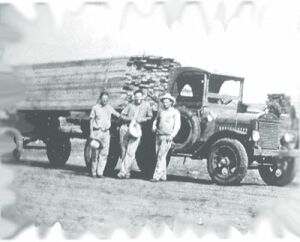
We opened another yard in Omaha, and moved the Oklahoma City oil field yard near the south of town closer to downtown. We built the Kansas City yard in 1936 and business followed. We were well on our way.
In 1941 two staggering things happened. On November 22, 1941 my father died suddenly of a heart attack. Two weeks later the Japanese bombed Pearl Harbor. The next four years was war.
As the new CEO, I was not without hardship. Our merchandise became very hard to obtain, because it was all going to the war effort. Our organization was gradually decimated as man after man went to war. It was a time of strife.
If we hadn’t had such a wonderful organization of people, we would never have made it. Their loyalty and integrity gave me a chance to successfully perform my job and extend our company’s legacy. I will always hold for that group of men, my undying gratitude.
Luckily, the Pratt Whitney Engine Co. built a tremendous plant south of Kansas City. I went back to Hartford to work with their head office and got the contract to build all of the shipping crates for their engines as they were finished. This gave us a war-related activity and helped get us by. Afterwards, my brother, Bob, joined the Company while my two younger brothers went into the Navy and the Merchant Marines. I went to be examined for the draft three times, but each time was rejected because of stomach ulcers.
In 1945, at the war’s end, we started rebuilding the East St. Louis yard, which had been abandoned earlier because of the war. Soon we were off and running! We built yards as fast as we could find money for them. The wonderful people that had gone to war came back, and fortunately, we only lost a couple men in the service. We were always looking for towns where we thought the lumberyard would work, and soon found the stockyards in Sioux Falls and Ottumwa, repeating what we had done for the farmer in Des Moines.
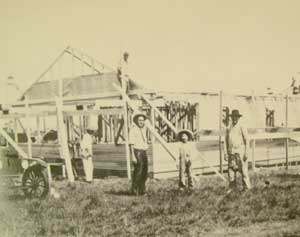
Next, we opened a yard in Indianapolis, Indiana. The new war in Korea made it hard to buy lumber. Our yards were a new idea, incorporating our office as well as where we stored our lumber. We also began keeping tools and hardware stocked so that the customer could pick and choose what they needed as they needed it. This area grew as we added to our lines of products, and by 1960 it was a full hardware store. This was very different from what anyone else was doing.
As our line of materials grew, so did the stores. When we opened Ft. Wayne, Indiana and Columbus, Ohio, a larger office building was a part of the plans. What had originally been just tools and hardware now included paint, electrical, plumbing supplies, and more. By 1960, there were 13 stores and more planned.
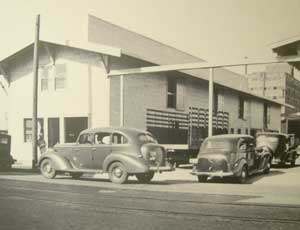
The next generation was getting older. We decided to divide the yards up between the five families that constituted my generation of four boys and one girl. We thought it best when the cousins came into the business that they have as much as possible their own affairs to run, creating a strong sense of familial ownership. Each could do what he thought best, and if it was right, the rest could copy him, or if it was wrong, the rest knew not to do it.
We have a great organization with an even greater group of people taking care of it. Every individual in the Company has contributed immensely supporting our wonderful business. There have always been giants walking down the road and trying to do us in. The great new warehouse stores have brought out a new model, a new system that seems to work. We have met this new giant, as we always have, with flexibility, a determination to change and learn, and with an organization that cannot be duplicated anywhere. We’ve continually had our normal share of serious problems; floods, fires, tornadoes, wars, attacks by organized labor, adverse legislation, and always not enough money to do what should be done, but every successful business experiences these at some point in time. But we will always persevere.
I guess you shouldn’t call a vital, thriving, competitive business fun, but it sure keeps your attention. I like it.
Herman Sutherland
1913 – 2006
https://sutherlands.com/history
CRISTO DE LOS PESCADORES

At Isla Blanca Park’s southern tip, the Cristo De Los Pescadores statue looks over the Laguna Madre. The statue was donated in the 1990’s by The De La Lastra family. The statue honors shrimpers who were lost at sea in 1988. A prayer is etched into its pedestal.
At the southern tip of Isla Blanca Park on South Padre Island, Texas, overlooking the shimmering waters of the Laguna Madre, stands the Cristo de los Pescadores—a ten-foot bronze statue of Jesus Christ with outstretched arms, blessing the fishermen who venture out from the nearby jetties. This poignant memorial, often called the Christ of the Fishermen, was donated in the late 1990s by the De la Lastra family to honor the shrimping community’s perils and, more specifically, to commemorate two brothers lost at sea.
The story begins on a fateful day in 1988, when Gustavo de la Lastra and his brother Jose Eduardo de la Lastra set out on their shrimp boat into the Gulf of Mexico. Tragedy struck when Gustavo, working below deck, was overcome by toxic fumes from a chemical product stored on board. Jose Eduardo rushed to help his brother but succumbed to the same deadly vapors.
The brothers’ deaths devastated their family and highlighted the dangers faced by local shrimpers, prompting a lawsuit against the chemical supplier that resulted in a settlement.In the wake of this loss, their mother, Amada de la Lastra, channeled her grief into a lasting tribute.
As part of the settlement, she requested the creation of a statue depicting Christ as a protector of fishermen—a symbol of solace for those who risk their lives at sea. Working closely with Brownsville architect Manuel Hinojosa, who had experience with sculptures, Amada helped shape the design, from the positioning of Christ’s arms to the pedestal’s base, which was crafted to evoke the marble-like bays of the jetties.
The statue was cast and assembled in Italy before being shipped to Texas, where it was installed at Isla Blanca Park and donated to the Brownsville-Port Isabel Shrimp Producers Association.Etched into the pedestal is a heartfelt prayer: “Father! Receive the souls of these brave fishermen who have sailed through this pass and never returned.” Since its unveiling, the Cristo de los Pescadores has become a sacred landmark, where shrimpers pause to pray for safe voyages before heading out, and families gather annually for memorials—releasing balloons to symbolize the spirits of the departed and playing corridos that recount the brothers’ story.
It stands not just as a remembrance of Gustavo and Jose Eduardo, but as a beacon of resilience for the entire fishing heritage of South Padre Island.
SELF PUBLISHING
Create your own book! https://dcatalog.com/interactive-searchable-catalogs-ux-upgrade-buyers-expect/
We all love a modern upgrade. Whether it’s transforming that dated brown kitchen into a shining white box with clean, simple lines or going from an old car to a brand new model, upgrades signal improvements, change, and enhancements.
Likewise, the modern buyer expects more than a static PDF. Whether they’re browsing product lines, spec sheets, or seasonal collections, they want speed, clarity, and interaction.
Interactive, searchable B2B catalog software is now a must-have and how DCatalog helps teams deliver it effortlessly.
The Problem with Traditional Catalog UX
For business owners and marketing professionals, traditional catalogs are useful because product presentation is critical. However, the UX of traditional PDFs presents a few problems to overcome:
Difficult Navigation
PDFs are static, bulky, and hard to navigate, especially on mobile. Oftentimes, the setup of a traditional catalog requires users to scroll or flip through dozens (or hundreds) of pages to find the product they’re looking for. It becomes frustrating for customers as they deal with a time-consuming experience, which leads to abandoned sessions or unnecessary back-and-forth just to locate basic information.
Lack of Search Functionality
Many traditional catalogs don’t include search at all, or the search is Ctrl+F at best. This method of searching is very basic (no relevance, context, or filters). That’s not helpful when a customer is searching for “wireless lighting kit” and the catalog only lists it under a technical part number or different terminology. Without semantic search, users miss the terms they are trying to find, even when the answer is in reach.
No Filtering or Product Comparison Tools
Without tools meant for filtering or product comparison, browsing across product categories or comparing SKUs can be painful. Nowadays, buyers are able to look anything up and receive an answer in less than a minute. Just as they expect speed from their internet provider, social media apps, and Google searches, so do they expect similar results from a digital catalog. Static catalogs don’t support this kind of real-time sorting or side-by-side comparison. This makes it harder for users to evaluate options and make confident decisions.
Outdated or Static Information
Once a product catalog is published, it’s often outdated within weeks. For industries that frequently have pricing updates, old SKUs that are discontinued, or release new products, they need their users to reference the latest information. Their buyers could be referencing incorrect information without knowing it. For example, a machine may be on sale one week and taken off sale the next week. Traditional catalogs do not reflect real-time changes, which leads to confusion and errors in ordering.
The Results
Poor results due to low time-on-page, high bounce equal to frustrated buyers. When it comes to considering the best strategy for your brand, consider that traditional catalogs are looked at like a brown kitchen with linoleum floors. They are functional enough for “right now,” but they feel dated, old, and badly in need of an overhaul.
What Buyers Expect from a Digital Catalog Today
Nowadays, buyers are able to look anything up and receive an answer in less than a minute. Just as they expect speed from their internet provider, social media apps, and Google searches, so do they expect similar results from a digital catalog. Buyers are looking for fast, intuitive search so they can find a product instantly, rather than endlessly scrolling through pages of content. This is particularly relevant for searching on mobile devices.
Interactive navigation is also important and enhances the shopping experience. Digital flipbooks and catalogs make use of filters, a table of contents (even one that expands), and category hopping with bookmarks or thumbnail images.
Since most buyers are using their phone or tablet to browse and shop, a mobile-friendly design is a key component. Make sure your digital catalog has a responsive layout with touch gestures and the ability to search the content so users can quickly find what they need. It’s important to create a visual experience with your digital catalog that mirrors a website, not a document viewer. The goal is to make it look modern and clean, while also providing an experience that is as appealing and easy as navigating a website.
From Static to Smart: The DCatalog Flipbook Experience
When you are looking for a standout experience that takes a flipbook from static to smart, look no further than DCatalog. Any PDF can be converted into a customizable, branded digital flipbook using this user-friendly platform, which also maximizes operational efficiency and preserves brand consistency. Convert XML to PDF collateral quickly.
An AI-powered search engine embedded in the flipbook retrieves results from various pages along with context. Static PDFs are transformed into dynamic, intelligent, and searchable experiences by Smart Doc AI technology. This AI search provides precise, real-time results at any scale, whether you’re looking through a single document or thousands of resources across your whole document collection. Clear, immediate answers—no more manual searching or endless scrolling. https://dcatalog.com/interactive-searchable-catalogs-ux-upgrade-buyers-expect/
https://dcatalog.com/ Create & Publish Digital Catalogs
A one-stop online catalog maker software loaded with interactive enhancements to help level-up sales. DCatalog’s cloud-based platform allows you to create, publish and manage digital catalogs that engage users and drive results.
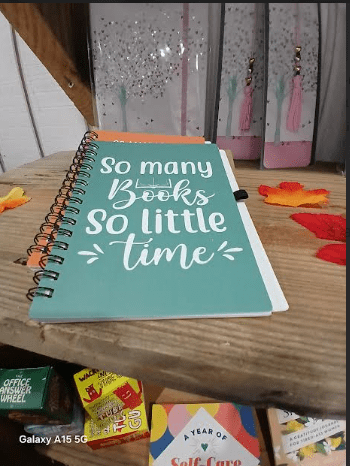
https://southwindinntx.com/2025/10/17/book-reviews/
Need a lawyer?
Super Lawyers is a rating service of outstanding lawyers who have attained a high-degree of peer recognition and professional achievement. Their patented attorney selection process is peer influenced and research driven, selecting the top 5% of attorneys to the Super Lawyers list each year. Their directory features detailed profiles of top attorneys across the United States in a wide variety of legal practice areas – valuable in your search for an experienced attorney. Good luck with your case.

Animal Services
Isabel Y Garcia Animal Shelter Opens in new window
956/943-3888
Microchipping Pets
Port Isabel City Ordinance 483F Section 4.2
All Port Isabel residents owning pets (dogs or cats) must have those pets Microchipped. Microchipping offers pet owners the only truly permanent method of identifying your pet and linking that pet back to you and limits the numbers of animals going to the shelter. Microchipping will be made at the Isabel Y. Garcia Animal shelter at the end of Woody Lane in Port Isabel.
For more information, contact the Shelter at 956-943-3888. The cost is $25 per pet.
VOLUNTEER APPLICATION
City of Port Isabel ANIMAL REGULATIONS
The Isabel Y. Garcia Animal Shelter in Port Isabel, TX is a no-termination date shelter providing homes, medical care, and socialization to homeless and surrendered animals until they are adopted into their forever homes. Our friendly staff will help you take a pet out to meet and interact with them, and can answer your questions about the pet’s known health history and temperament.
HOURS: Monday through Friday, 8:00 a.m. to 5:00 p.m.
EMAIL: animalshelter@copitx.com
PHONE: (956) 943-3888
LOCATION: Off W. Highway 100 (262 Woody Lane)
Free public transportation serving South Padre Island, Port Isabel and Laguna Heights.
ISLAND METRO
Public Transit
Island Metrois a FREE deviated fixed-route system that operates within the City of South Padre Island and Port Isabel and has been developed by the South Padre Island City Council with the input of our drivers and passengers, as well as citizens and business persons on both sides of the Memorial Queen Isabella Causeway.
321 Padre Blvd
South Padre Island, TX 78597
Office: (956) 761-8178

Island Metro transportation service is a fare-free system that relies upon the continued funding of the Texas Department of Transportation through its Section 5311 Rural Transit Program and local match funding from the City of South Padre Island and the City of Port Isabel Economic Development Corporation.
365 days a week from 7:00am-9:00pm Deviated Fixed Route Services http://myspi.org

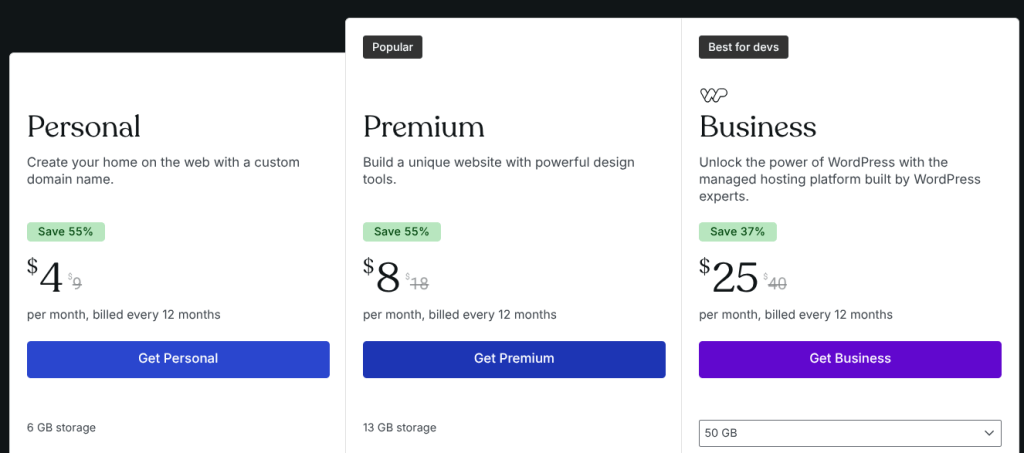
ADVERTISE HERE for only $25.00 a month.
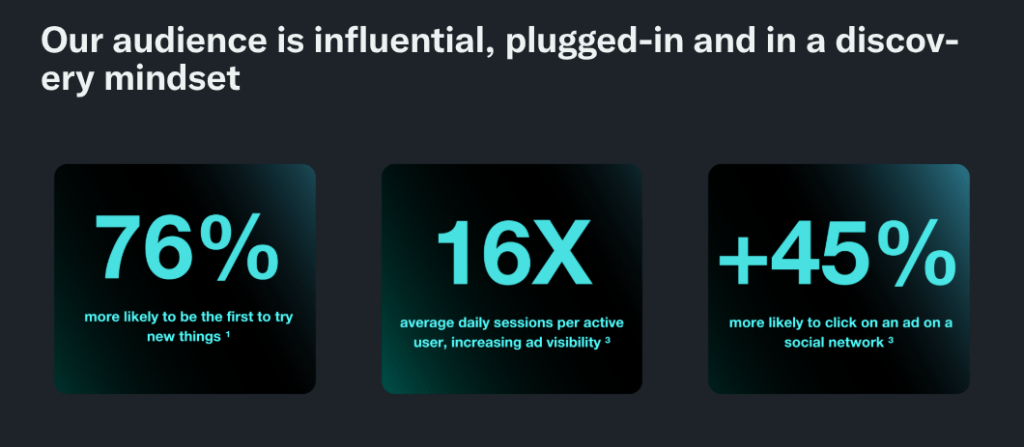
Unlock the Heartbeat of the SouthWind: Why $25 a Month Feels Like the Best Investment You’ll Make This Year.
Imagine tapping into a tribe of trailblazers—connected visionaries, street-smart locals, and fierce community champions—who don’t just scroll; they spark revolutions. These are the tastemakers you crave as customers: the ones whispering (or shouting) to their inner circles about that hidden-gem boutique, the farm-to-table feast that’ll blow minds, the craft cocktail that’s pure poetry in a glass, or the cozy hideaway that feels like home from the first hello. They’re not passive fans—they’re influencers in their own right, turning “heard about it” into “gotta try it” with effortless charisma.
For just $25 a month, you’re not buying access; you’re joining a movement that amplifies your story to the people who matter most. Step into the SouthWind Inn website, a digital masterpiece where elegance meets exploration. Sleek, intuitive pages brim with treasures—curated guides, insider maps, and hidden lore that make every click feel like uncovering a secret handshake. It’s not just a site; it’s your stylish portal to the soul of the SouthWind, designed to inspire and intrigue from the very first glance.
Dive deeper, and the magic unfolds in our editorial alchemy: 100% laser-focused on the raw, radiant pulse of our local landscape and its vibrant culture. Picture this—stunning, sun-drenched photography that transports you to mist-kissed mornings on forgotten trails, paired with razor-sharp journalism that unpacks the “why” behind every sunset story. Reading here isn’t a chore; it’s a thrill ride—effortless, enlightening, and utterly addictive. One page turns into three, and suddenly, you’re not just informed; you’re ignited with ideas that linger long after the screen fades.
And for our trailblazing advertising partners? You’re not shouting into the void—you’re serenading a symphony of superfans. Reach an audience that’s electric with energy, handpicked for precision, and buzzing with influence. These readers? They’re the elite: informed tastemakers, deeply engaged explorers, comfortably affluent adventurers, and unapologetically passionate souls who live for the next discovery. Your brand doesn’t just get seen; it gets savored, shared, and celebrated. We couldn’t fuel this fire without you—our partners who boldly back the content that keeps the community alive. Ready to light up the SouthWind? Let’s make magic together.


South Padre Island is a hop skip and a jump away from SouthWind Inn.
South Padre Island is a resort town in Cameron County, Texas, United States. It is part of the Brownsville-Harlingen metropolitan area. The population was 2,066 at the 2020 census. The town is located on South Padre Island, a barrier island with the Laguna Madre situated to the leeward of the island and the Gulf of Mexico on the windward flank, along the Texas Gulf Coast.
A great journalist doesn’t think twice about the truth, right? The truth and nothing but the truth……….RM

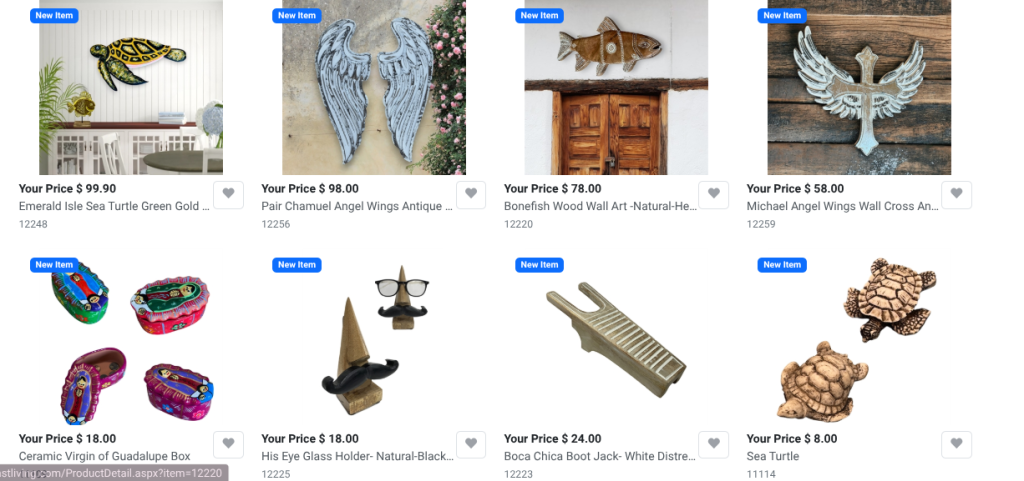
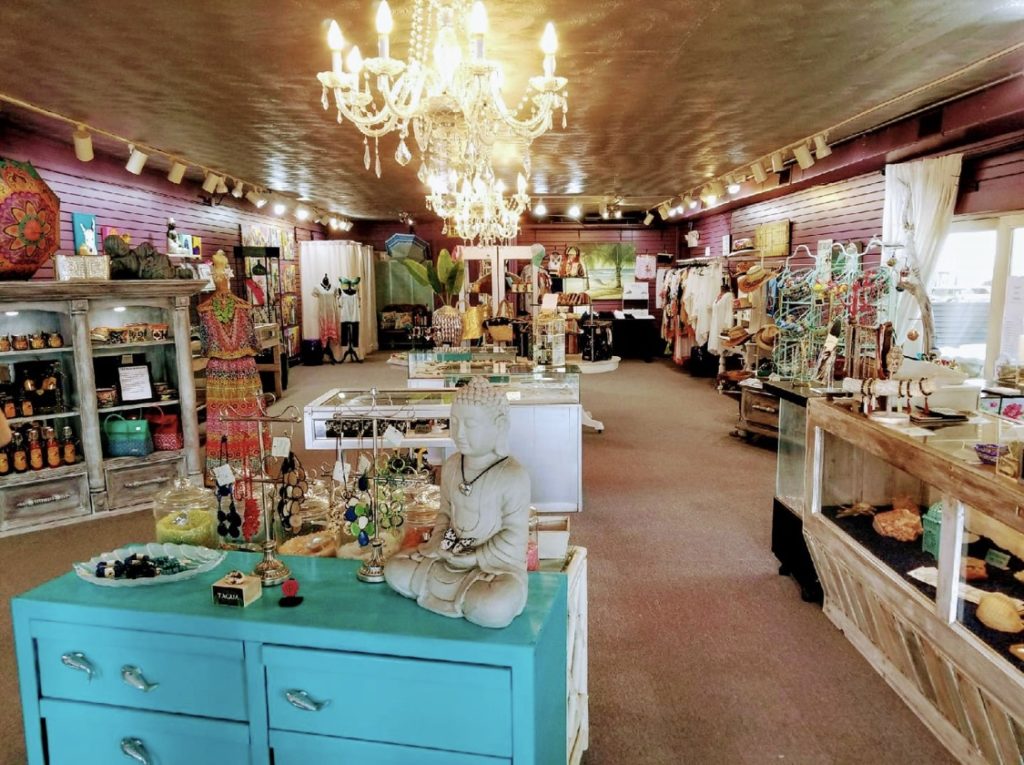
Home Decor with a flair–Discover Coastal Charm with Salt Coast Living
Elevate your space with the effortless allure of coastal living—curated exclusively by Salt Coast Living. Our collection spans the globe’s hidden gems, handpicked by our savvy buyers who scour international markets for the most captivating home accessories. We’re obsessed with the details that delight: the faint, briny scent of ocean air clinging to linen throws, the soft rustle of seagrass baskets brushing against wicker frames, and the tactile joy of coral-hued ceramics that gleam like sunset-kissed waves in the light. Whether you’re refreshing your beachside retreat, modernizing your office, or simply craving inspiration, our thoughtfully sourced selections offer bold ideas to make a statement that’s uniquely you. Imagine the gentle tinkle of wind chimes echoing like distant lighthouse bells, or the plush embrace of hand-knotted rugs woven from fibers that evoke sun-baked sands—warm, yielding, and grounding beneath bare feet.
Dive into our online catalog today https://saltcoastliving.com/CatalogRequest.aspx browse, dream, and discover.
We’re confident you’ll uncover exactly what your heart desires… and perhaps a few irresistible surprises that spark joy you never knew you needed, like the subtle glow of abalone inlay mirrors reflecting candlelight with a pearlescent shimmer.
Ready to bring the magic home? Swing by our flagship store in Port Isabel, Texas—nestled right at the bridge to South Padre Island—for an in-person adventure. Touch, feel, and fall in love with pieces that capture the sun-kissed spirit of the coast: the crisp snap of starfish coasters under your glass, the faint herbal whisper of lavender-infused sachets tucked into drawer pulls. Your perfect find awaits—shop now and transform your world!
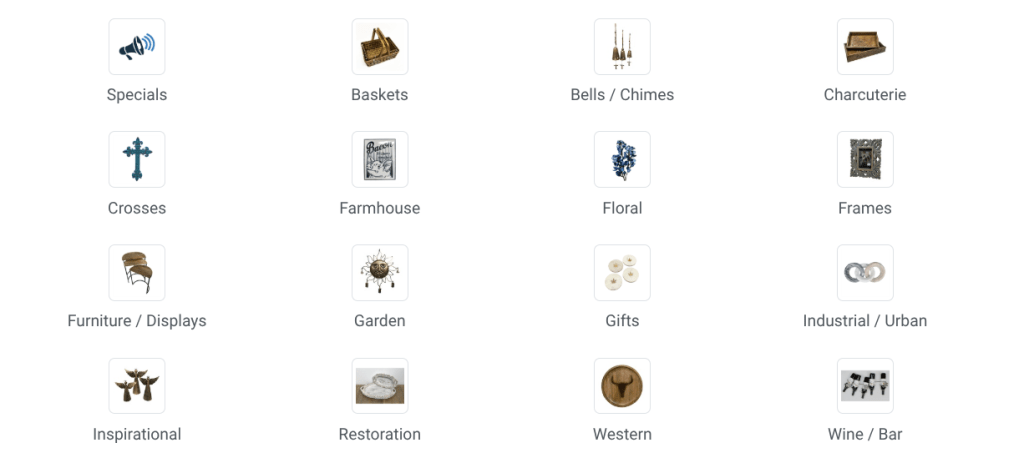
And we invite you to shop in person at our store in Port Isabell, Texas at the bridge to South Padre Island.
NIMAN RANCH
https://nimanranch.com/recipes/
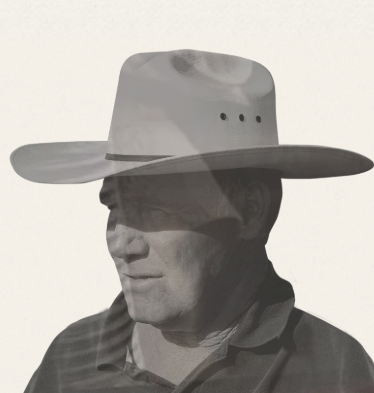
Supporting Independent Family Farmers. Niman Ranch started with one farm. Today, they still work with one family farm at a time, but they are proud to support the largest network of U.S. family farms and ranchers – more than 600 families across 22 states and growing.

Raised with Care®
Our farmers’ and ranchers’ passion for their craft, dedication to their animals and respect for the land can truly be tasted in our finished product.
Natural Grocers By Vitamin Cottage
515 Morrison Rd
Brownsville, TX 78526

THANK YOU TO OUR WEB SPONSOR!
Hey Grok! How can I promote my business in a budget-friendly way?

LARGE SCALE ADVERTISING OPPORTUNITIES




I try to change my mind if there is a reason to change my mind.
“I think there’s a natural instinct for people to want to be set in their ways and to be convinced that they’re right, whereas I think we should actually just strive to be less wrong.
That is how things operate in physics.
You strive to be less wrong.
It’s not the most gung-ho slogan, but if you want to be less wrong, then that’s a good operating principle.
Seek the truth and let the conclusions lead where the data takes you. It’s very important to operate on this principle if you’re building electric cars or space Internet or rockets.
Because if you don’t, if there’s not a rigorous understanding of how reality works, the rockets blow up and the cars don’t work and full self-driving wouldn’t work.”
Mr. Elon Musk – Town Hall in Lancaster, Pennsylvania, October 24, 2024
Port Isabel H‑E‑B
1679 HIGHWAY 100
PORT ISABEL, TX 78578-2806
Corporate #383
Store phone:(956) 943-1171
Store hours:
Mon-Sun 6:00 AM – 11:00 PM Business center hours:Mon-Sat 10:00 AM – 6:00 PM

BUSINESS CARDS

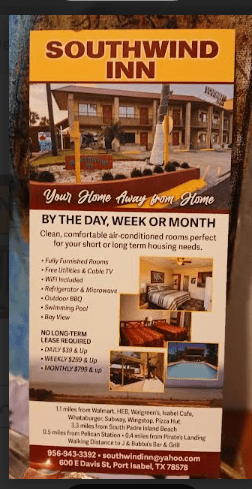
























































 SouthWind Inn, Port Isabel, TX