Ordering from the internet is now commonplace. You can order almost about anything. You can also order yourself some trouble by adhering to their rules and not your own.
Here are some rules to follow BEFORE a problem occurs.

- Only do business with companies you know and their site HTTP is exactly who you are doing business with. (example: Wallmart pictured above. Make sure that their address on top says Wallmart. This is the most important thing you can do to protect yourself, credit card and family. Always be cautious of the web address. It can make a great experience of shopping fun or a nightmare.
- Do your research! If you haven’t heard about the company, ask that a catalog be sent to you BEFORE ordering large or small items online.
- Check with your state consumer protection agency as to whether the company is licensed or registered.
- Fraudulent companies can appear and disappear within seconds. Screen shot each page when ordering and make sure you include the address bar. If you have to make a complaint, you have proof.
- Understand exactly what you are purchasing. Know the offer, price, delivery date, quality of the product, their cancellation or return policies and guarantees BEFORE you buy.

- You can check the website from top to bottom and look for sitemaps or companies information easily if you look for it.
- Checking if your browser is secure when ordering is key. Try to telephone the company, fax your order to them, and then pay with a check is the very secure.
- Please NEVER give your bank, credit card or any other personal information to ANYONE who calls you, you do not know or have not checked out.
- You can confirm information, but never offer information they do not have. This is called “Fishing” bad actors will fish for information from you with information they have on you. They will try to make you feel comfortable with them acting as if they know you. THEY DO NOT!.
- It is always best to use your credit card instead of paying with cash, check, money order or bitcoin, Dogecoin or any other internet coin, unless you are sure who you are paying. It is much easier to dispute any fraudulent charges that come up this way.
PASSWORD SAFETY
Doing any personal business not the internet requires using a password. Creating accounts and whatnot. It is super important to follow these rules and be aware of one of the most commonly made mistakes that you can make when engaging with the internet.
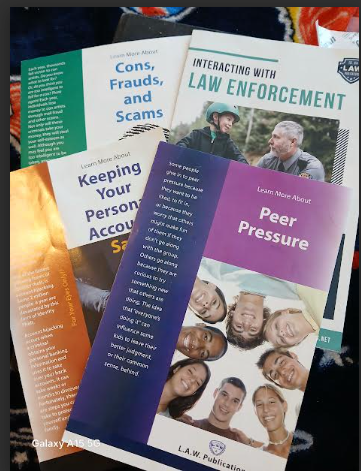
- Never use a familiar name or number as you code. It is too easy to do. Grab a newspaper, pen with a pad and get ready to jumble words that you see to create super secure passwords and numbers.
- Never use your name, spouse’s name, maiden name, pets, children’s name, birth date or street address. These are too easy to figure out and will be tried right away by a super smart hacker or would-be thief.
- The best passwords mix upper and lower case letters with numbers. The absolute best passwords are one that can’t be found in the dictionary. A good password can protect you or from computer programs that are designed with malice to go through every word in the dictionary to crack your weak code.
- Be mindful. Change your passwords regularly.
- Memorize your passwords. Have a small note book with all your passwords in it and keep it in a safe place. Never create a list on the internet of your passwords.
- Some websites try to help you remember passwords and they want to help, but this is an open door for a HACKER. Moreover, anyone who uses your computer will have automatic access to information that is password protected.
You can learn more about keeping your personal accounts safe and order your free brochure from L. A.W. Publications. The website is Lawpublications.net and you can e-mail them at info@lawpublications.net at any time. 800 527 0156








 South Wind
Leave a comment